The Best Board Games For Kids
Introducing your children to board games at a young age is one of the most rewarding ways to spend quality time together while building essential social, problem-solving, and dexterity skills. If you’re looking to share your passion for tabletop games with the next generation and you’re stuck asking then look no further! We’ve curated a list of the best games to get children into the hobby. Based on our own experience getting our children as mad about games as we are, we’ve been through the trials and tribulations so you don’t have to!
What makes a great kids board game? From our personal experience, the most important factors that make a board game great for children are that they are easy to teach and understand, allow your children to engage instead of being told what to do, are pretty short or can be stopped and resumed easily, and also have that educational factor that sets a child up for success with vital skills. This guide breaks our recommendations down by age bracket to help you choose the perfect kids board games for your family's gaming table.
Best Board Games for Ages 4 and Up
At age four, children develop fundamental social concepts like turn-taking, follow-through, and graceful winning and losing. At this stage, games should emphasise clear physical actions, vibrant themes, and simple rules.
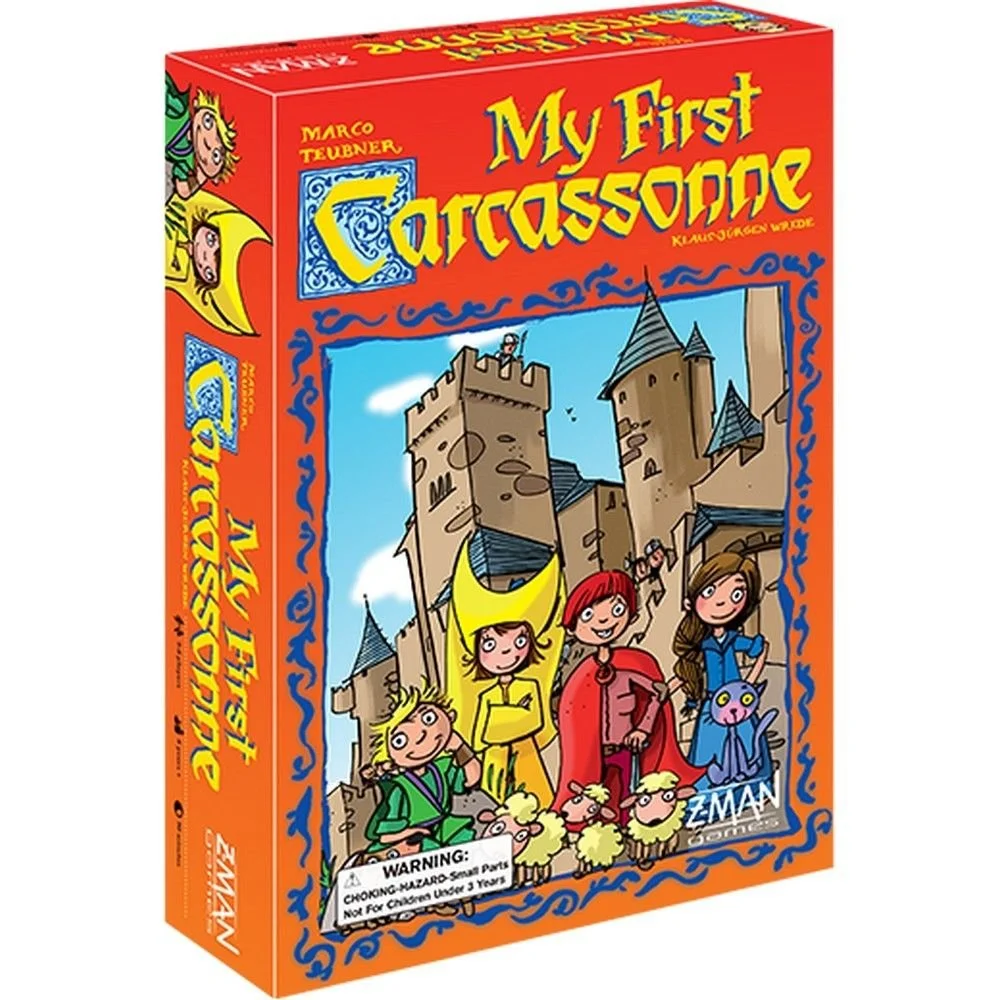
My First Carcassonne
Game Type: Tile Placement, Area Control
Players: 2 - 4
Playing Time: 10 - 20 minutes
Difficulty: 1/5
Skills Learned: Spatial Awareness, Pattern Recognition, Fine Motor Skills
My First Carcassonne adapts the classic tile-laying strategy of the original Carcassonne into an accessible, vibrant experience tailored specifically for young children. Also known as Carcassonne Junior, this version features illustrations of children playing on the tiles and ensures they always match, removing the frustration of illegal placements and the time spent finding a spot where a tile fits.
Winner of several awards, including the 2012 Spel van het Jaar (Age 3-6) and 2009 Lys Enfant awards, My First Carcassonne is a great way to build pattern recognition and forward-planning skills, with fewer of Carcassonne’s cutthroat rules to complicate things (we’re looking at you, farmers).
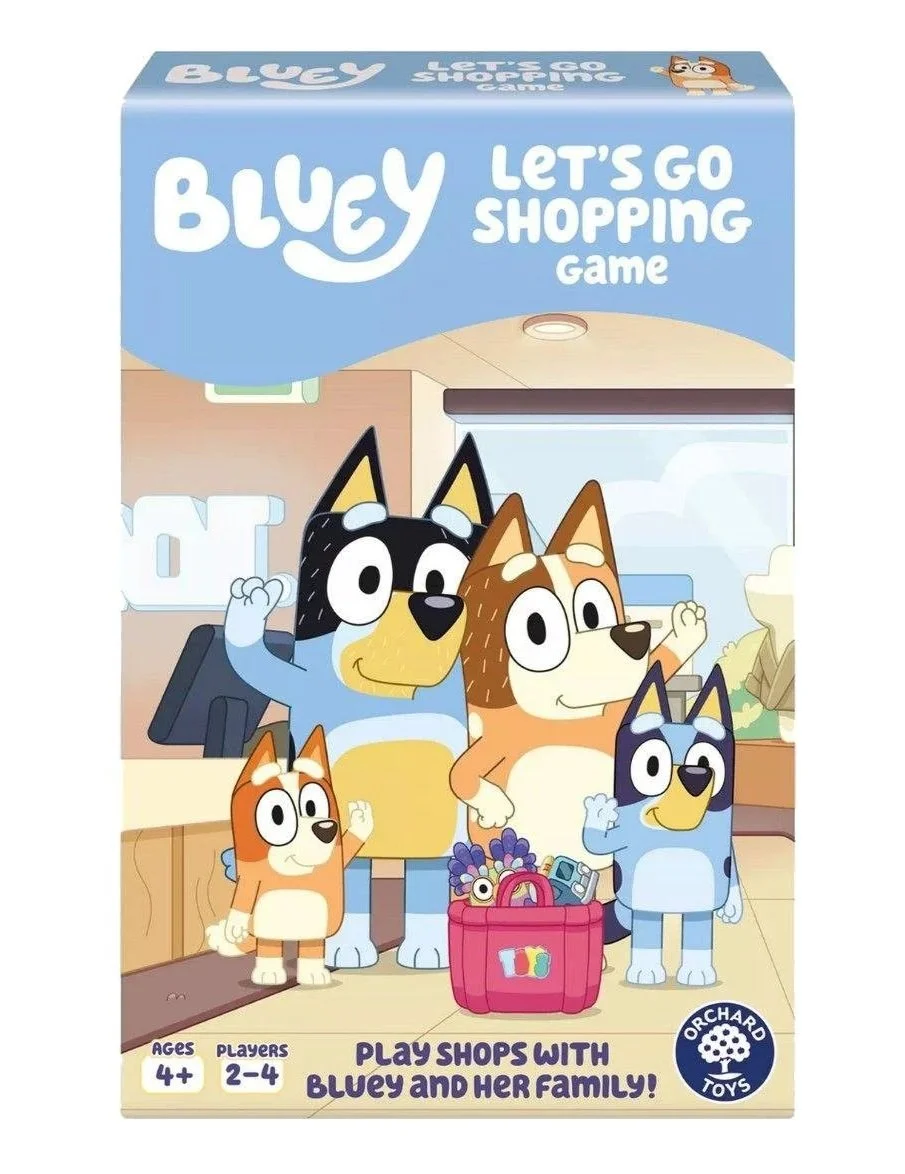
Bluey: Let’s Go Shopping Game
Game Type: Dice Rolling, Object Matching
Players: 2 - 4
Playing Time: 15 minutes
Difficulty: 1/5
Skills Learned: Memory & Matching, Social Play with Others.
Based on the fan-favourite children’s TV show Bluey, this game lets young players race to find items on their shopping list and check out. Bluey: Let’s Go Shopping has been an instant favourite for many young gamers, with the Bluey theme and familiar characters serving as a major draw that appeals to kids and sparks interest in this memory game. We know for a fact our kids are Bluey-mad!
Best Board Games for Ages 6 and Up
By age six, children can process basic tactical options, plan short-term, and react quickly. Games for this age group should introduce friendly competition and deeper strategic decisions.
Dobble (Spot It!)
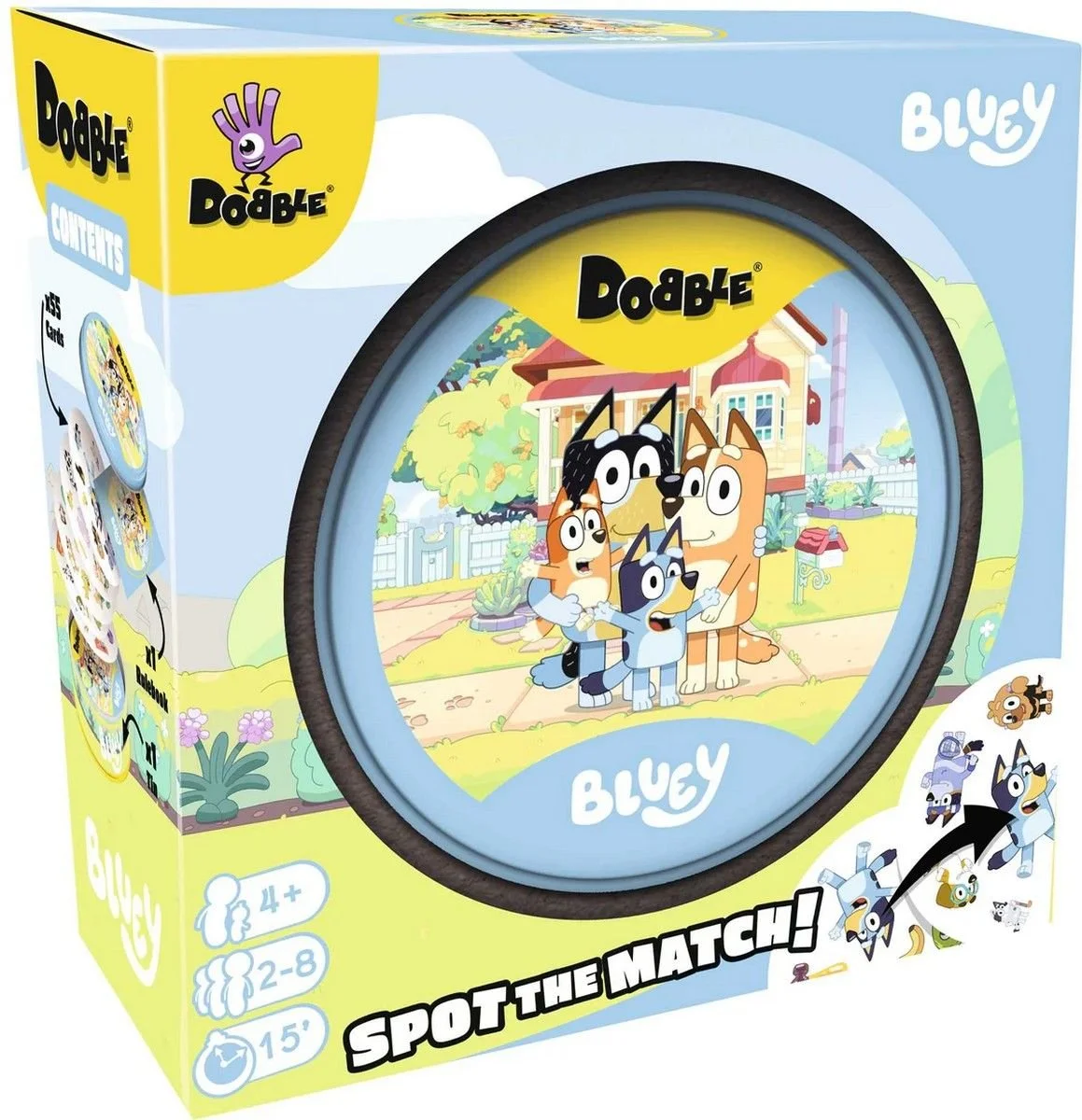
Game Type: Pattern Recognition, Speed Matching
Players: 2 - 8
Playing Time: 15 minutes
Difficulty: 1/5
Skills Learned: Visual Processing Speed, Focus / Concentration
Dobble is a lightning-fast visual perception game where every card shares exactly one symbol with every other card. The first player to spot the symbol wins! This simple game is easy to understand, quick to set up and play, and infinitely replayable as children develop a competitive streak.
One great way to get a kid invested in Dobble is the different editions available. From Bluey and Animal Crossing to Disney and Super Mario, you can find an edition that’s perfect for your children, getting them excited to play while building concentration and reaction time.
Welcome To Everdell
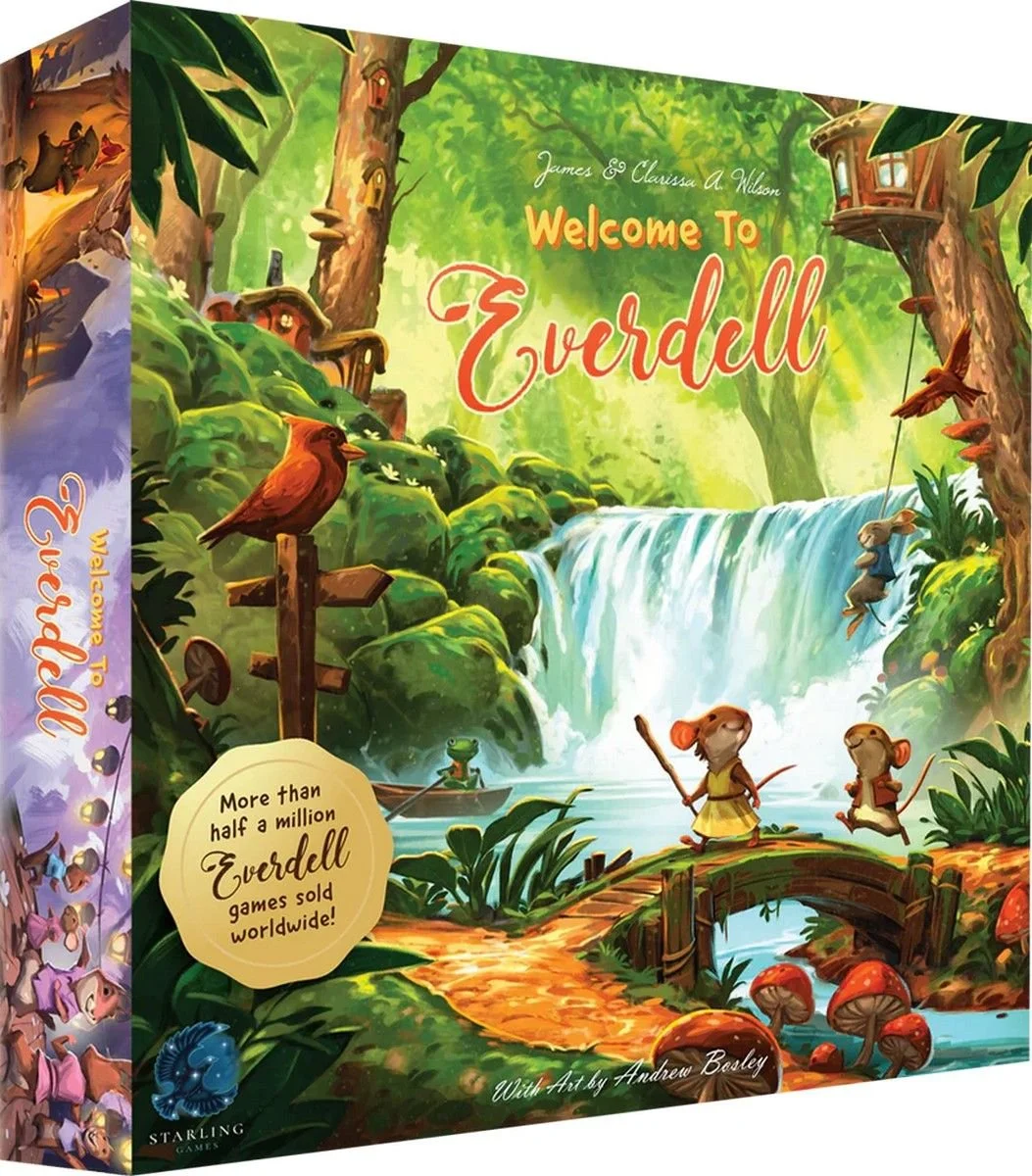
Game Type: Open Drafting, Set Collection, Worker Placement
Players: 1 - 4
Playing Time: 30 minutes
Difficulty: 2/5
Skills Learned: Focus, Planning, Draft Selection
Previously known as My Lil Everdell, Welcome to Everdell simplifies the well-loved, award-nominated board game Everdell for kids. Introduce kids to Everdell's cutesy world and characters as they build the best city they can to house the animals.
Welcome to Everdell is a great way to teach simplified versions of mechanics found in more advanced board games and offering that next step up with the standard Everdell range of games.
Best Board Games for Ages 8 and Up
At eight, children develop the reading comprehension and forward-thinking ability needed for mainstream family board gaming. Games in this tier should feature dynamic rules, changing objectives, and deeper tactical decisions. At this age you can consider starting to play more family games. Read our best family games blog for our recommendations.
Fluxx
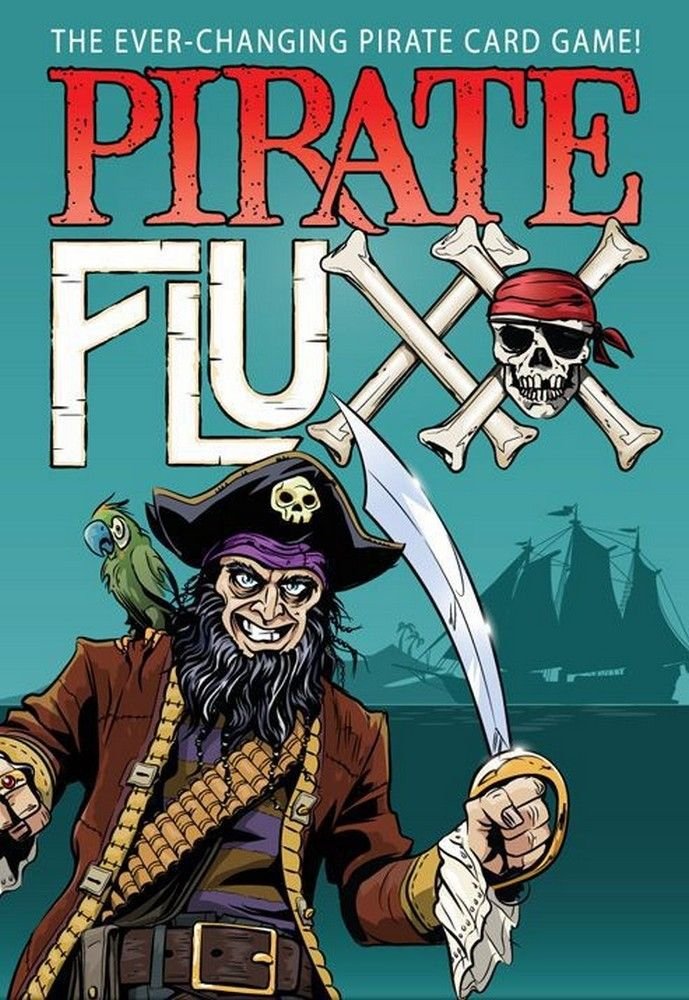
Game Type: Open Drafting, Set Collection, Worker Placement
Players: 2 - 6
Playing Time: 10 - 40 minutes
Difficulty: 2/5
Skills Learned: Focus, Planning, Draft Selection
Known as The Ever-changing Card Game, Fluxx starts with two simple rules: draw a card and play a card. As the game continues, rules are added and evolve, and new goals are set until one player emerges victorious from the web of tricky-to-navigate rules. This game is great for introducing more complex rule sets to children, letting them see rules added and the game get harder (and laugh at those who trip up and break the rules!).
Like Dobble, Fluxx has many editions, including Pirate Fluxx, Astronomy Fluxx, Nature Fluxx, and educational variants like Word Fluxx, so there's an edition that will be perfect for your playgroup. Keep your entire family on their toes with the next chaotic rule added to your games of Fluxx.
Mix Up Fairy Tales
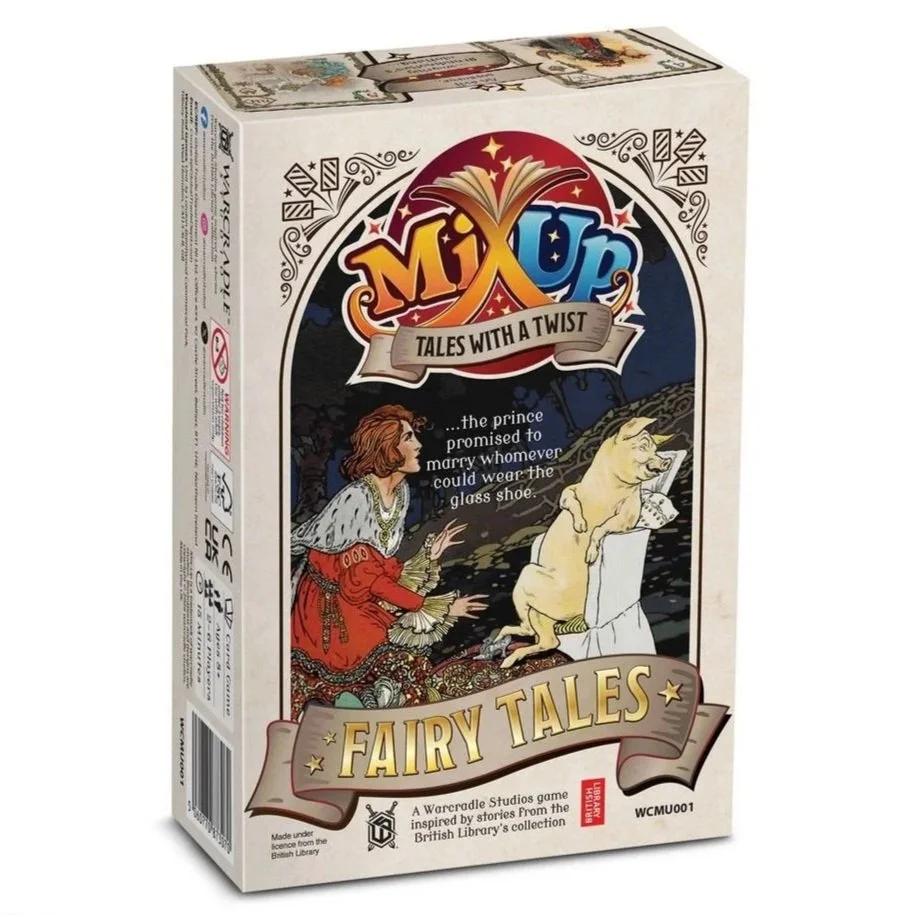
Game Type: Storytelling, Tableau Building, Cooperative
Players: 2 - 6
Playing Time: 15 minutes
Difficulty: 2/5
Skills Learned: Teamwork, Problem Solving, Oratory Skills
Mix Up Fairy Tales blends classic folklore elements into an imaginative, puzzle-like card game. Suitable for players aged 8 and up, mix and match different story elements from your favourite fairy tales to create a final, absurd, re-imagined story.
Mix Up Fairy Tales is great for teaching children to plan ahead to achieve story goals and practise oratory skills, while the game's cooperative nature keeps even the sorest losers happy. We recommend taking turns reading the crazy story you create after every round to let the game's humour shine.
We hope you’’ve enjoyed this blog and that our selection of the best kids board games and that you can more confidently pick up and play board games with your children. Check out our blog of the best board games for 2026 as a whole.
Frequently Asked Questions
How do I get my kids to play harder board games?
Using some of the above mentioned games as a stepping stone, you can gradually move your child into playing more complex gateway games like Ticket to Ride, Catan, and Quacks. We also recommend starting out by playing these games cooperatively, making up your own win condition and playing with open information so your children can get to grips with the game. Take a look at our full list of the best family board games to play as the next step to developing a board game fanatic.
How do I choose the right game for a multi-age household?
Look for games with low floors like Codenames but with the potential for a high ceiling like Azul. These games allow younger kids to play competitively using visual speed or basic numerical placement, while older children and parents can engage on a more strategic level.
Explore the full range of board and card games at Wayland Games today to find your family’s next tabletop favorite!